Secure up to £30,000 in home improvement grants UK funding in 2026 through active government environmental initiatives.
-
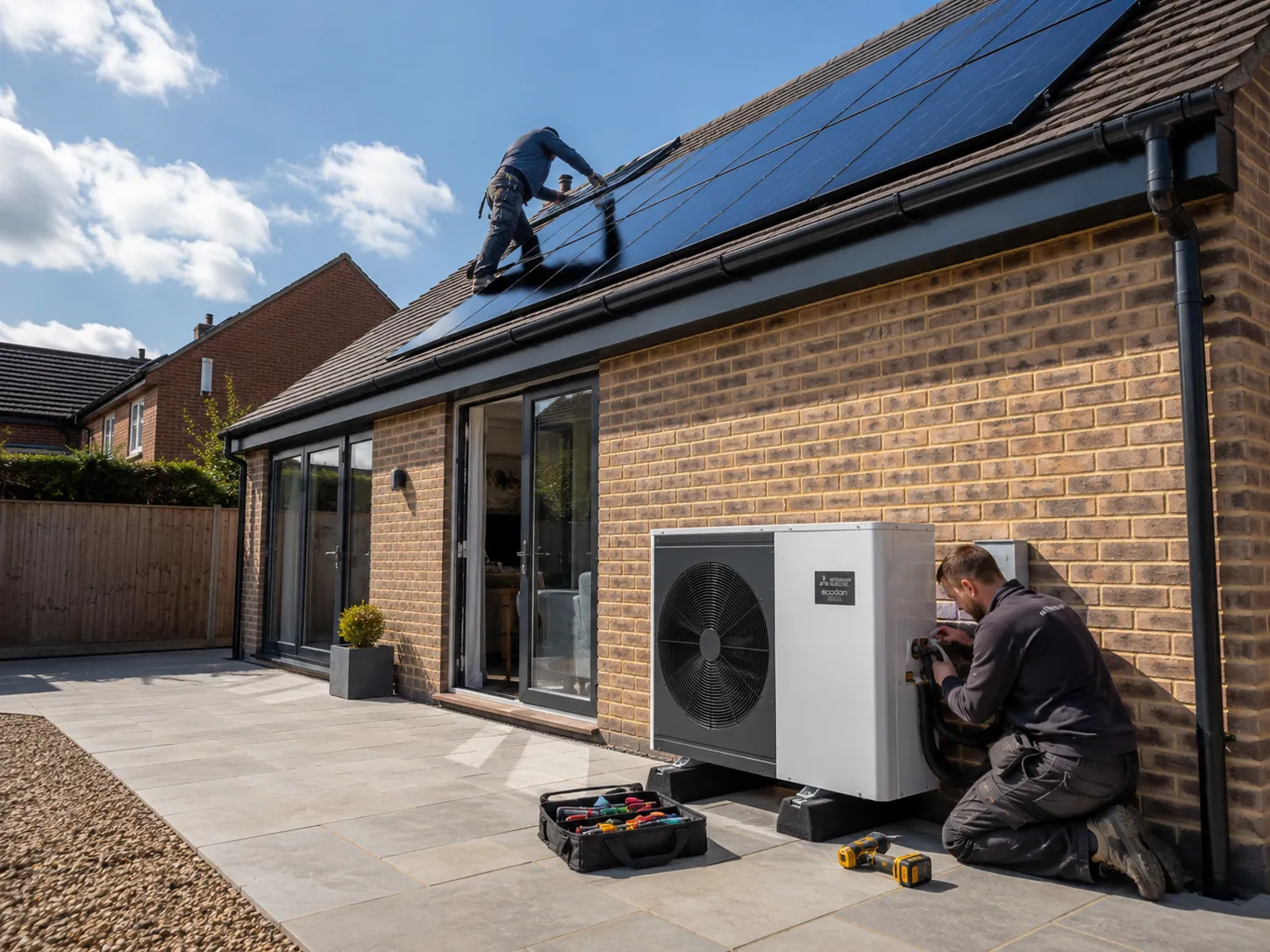
Boiler Upgrade Scheme: Provides upfront vouchers of £7,500 for standard gas properties and £9,000 for off-grid oil/LPG households switching to low-carbon heat pumps.
-
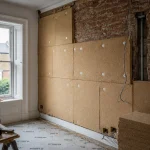
Warm Homes Local Grant: Offers low-income properties up to £15,000 for structural fabric insulation and an additional £15,000 for renewable heat installations.
-
ECO4 Scheme: Delivers comprehensive, back-to-brick multi-measure heating and insulation upgrades for properties sitting within EPC Bands D to G until December 2026.
Essential Overview of Home Improvement Grants UK Schemes in 2026
Navigating the latest financial subsidies requires a clear understanding of the government’s newly expanded £15 billion Warm Homes Plan. These state-backed funds are specifically designed to reduce domestic carbon emissions while permanently lowering volatile utility bills.
Over my ten years managing complex site installations, I have watched the grant landscape shift toward a strict fabric-first model. Securing these vouchers requires matching specific household income criteria or property efficiency baselines before any physical building work can commence on site.
Maximising Value With the Boiler Upgrade Scheme Under the Warm Homes Plan
The Boiler Upgrade Scheme remains one of the most accessible routes for property owners across England and Wales to fund low-carbon heating. In 2026, the funding pool has been significantly boosted, removing traditional household income restrictions to encourage universal heat pump adoption.
When we integrate these vouchers into comprehensive refurbishments at Tiny Houses inside, the upfront financial barrier drops significantly. The grant operates via a streamlined, installer-led voucher system where the discount is applied directly to your primary installation invoice.
Qualifying for the New Warm Homes Local Grant for Low-Income Households
The Warm Homes Local Grant has officially launched as a powerful successor to older regional council initiatives for qualifying households. This targeted scheme is administered directly by participating local authorities to support families experiencing genuine fuel poverty.
To successfully qualify for this non-repayable capital, your household income must generally sit at or below £36,000 annually. Alternatively, your property must be located within a designated postcode zone or contain a resident receiving qualifying state benefits.
Common Mistakes When Applying for Home Improvement Grants UK Funding
Many eager homeowners rush their initial applications and face immediate disqualifications due to basic administrative oversights. The most frequent blunder I witness on site involves starting physical alterations before receiving formal approval notices from the state.
Any retroactive claim for work already completed will be automatically rejected by processing administrators without exception. You must preserve the original state of your property until your chosen MCS-certified installation team secures the official funding vouchers.
The Critical Impact of Energy Performance Certificates on Grant Success
Your current certificate status acts as the absolute gatekeeper for almost all primary home improvement grant UK pathways. For example, the Boiler Upgrade Scheme will instantly reject properties that possess outstanding recommendations for basic loft or cavity insulation.
To safeguard your funding sequence, you must systematically execute fabric upgrades to Improve Home EPC Rating scores prior to fitting a heat pump system. This technical progression ensures your property retains heat efficiently, preventing newly installed heat pumps from running at excessively high, costly rates.
Miscalculating the Technical Sequence of Structural Fabric Upgrades
Another severe mistake is installing advanced low-carbon technology onto an uninsulated, draughty building envelope. Rushing this sequence means your new heating system will work twice as hard, sky-rocketing your electricity bills overnight.
Our project managers always insist on sealing the structural roof, walls, and subfloors with breathable insulation materials first. Taking the time to execute this baseline preparation guarantees total compliance with modern building control parameters across the country.
Financial Structuring: How to Squeeze Every Penny From Home Improvement Grants UK
Strategic financial coordination allows savvy property owners to stack multiple non-conflicting funding streams on a single project. While you cannot use two public funds for the exact same heat pump, you can combine insulation grants with low-carbon heating vouchers.
Mapping out this multi-measure financial framework requires deep technical knowledge of current regional legislative boundaries. Securing your baseline subsidies early allows you to allocate more private capital toward premium internal architectural layouts.
Integrating Private Capital to Complete Your Full Property Transformation
When combining state subsidies with private capital, homeowners frequently choose to execute comprehensive bespoke home renovations simultaneously. This holistic methodology minimises overall trade disruption by blending energy retrofits with modern spatial reconfigurations.
Amalgamating structural wall removals with your energy efficiency upgrades creates an incredibly functional, sustainable home environment. Our integrated construction teams manage this entire dual process smoothly, saving you months of frustrating independent contractor coordination.
Cost and Timeline Analysis for Energy Efficiency Upgrades
Accurate financial budgeting requires a transparent, real-world analysis of typical eco-upgrade costs alongside average state grant distributions. The comparison table below highlights realistic current figures compiled from our extensive residential database this year.
| Upgrade Infrastructure | Average Market Cost | Available Grant Support | Typical Installation Timeline |
| Air Source Heat Pump | £12,000 – £16,000 | £7,500 – £9,000 (BUS) | 3 – 5 Working Days |
| Cavity Wall Insulation | £800 – £1,200 | Up to 100% (Warm Homes) | 1 – 2 Working Days |
| Retrofit Loft Insulation | £600 – £1,000 | Up to 100% (ECO4) | 1 Working Day |
| Smart Heating Controls | £170 – £300 | Integrated with Grants | 1 Working Day |
Why Our Bespoke Energy Renovation Systems Cost 50% Less Than the High Street Market
Sourcing structural insulation, premium glazing units, and microgeneration hardware through traditional retail channels involves paying massive middleman markups. We avoid these inflated margins entirely by stocking our own premium trade inventory inside a dedicated local UK warehouse.
This unique logistical framework allows us to deliver high-performance energy overhauls at prices up to 50% cheaper than standard boutique estimates. We pass these substantial procurement savings directly to your project balance sheet, maximising your available budget.
Our in-house specialists manage the entire pipeline, from initial thermal drafting to final submission on gov.uk for official certificates. This integrated approach ensures your property achieves flawless technical compliance without the stress of managing independent subcontractors.
Secure Your Funding and Transformation Design Today
Stop letting hard-earned heating money escape through inefficient walls, and leverage the power of active home improvement grants and UK subsidies. Our technical consultation team stands ready to design a beautifully optimised, low-carbon future for your family home.
Take full advantage of our direct trade supply chain and secure your preferred professional installation date before our seasonal schedule fills. Simply click Request an Appointment right now to access our online price estimate tools and start your transformation.
FAQs
Can buy-to-let landlords apply for UK home improvement grant funding in 2026?
Yes, private landlords can fully access the Boiler Upgrade Scheme grants, provided they hold a valid EPC for the property. Additionally, tenanted properties with low-income residents may qualify for extensive insulation measures under the Warm Homes Local Grant framework.
What happens if my old property does not have a valid loft hatch for insulation checks?
Your chosen energy assessor must be able to visually inspect the loft space to confirm current insulation depths. If access is completely restricted, the system defaults to an uninsulated status, which can block subsequent heat pump grant applications.
Are solar panels covered under the active 2026 home improvement grants UK options?
Yes, solar photovoltaic panels and modern battery storage systems are highly supported under both the ECO4 scheme and the Warm Homes Local Grant. These microgeneration technologies work brilliantly alongside heat pumps to reduce your reliance on grid electricity.