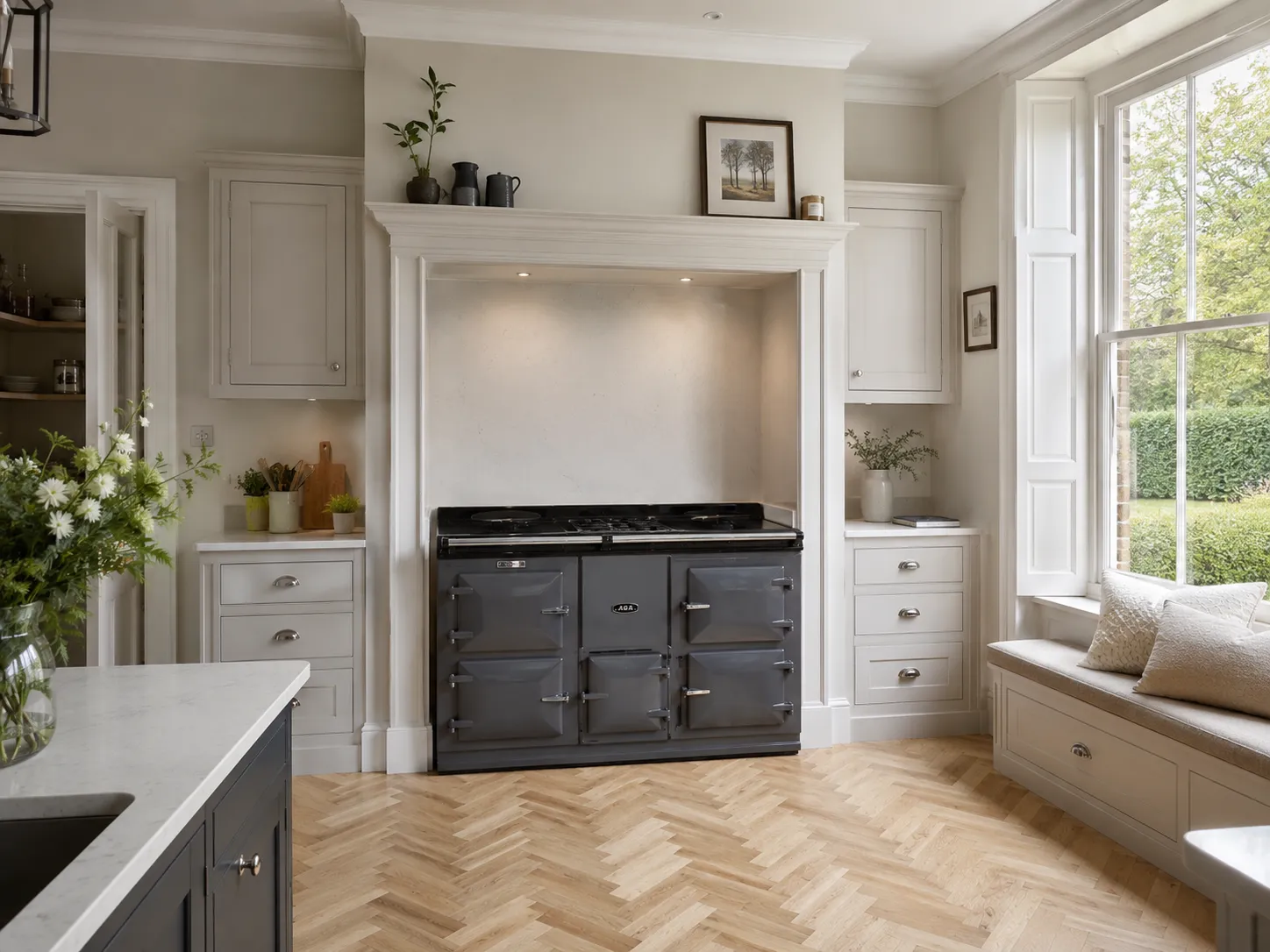
Yes, modern AGA cookers are absolutely still worth the financial investment for specific UK property owners in 2026, provided you purchase a controllable electric model.
-
Controllability: Modern eR3 and eR7 Series electric units allow you to turn individual roasting ovens and hotplates on and off independently, completely destroying the outdated “always-on” energy waste myth.
-
Running Costs: Real-world weekly expenditures for controllable electric models sit between £8 and £18 per week, which is highly comparable to standard conventional premium range cookers.
-
Longevity: Constructed from heavy-duty cast iron, a properly maintained range can easily achieve an on-site operational lifespan of over 50 years in domestic setups.
-
Dual Utility: The radiant heat produced by the cast-iron core naturally replaces the need for independent kitchen radiators, tumble dryers, and electric kettles during cold winter months.
Evaluating the True Modern Capital Value of Cast-Iron Range Cookers
When clients consult me regarding luxury kitchen appliances, the question of whether traditional appliances still suit contemporary properties arises constantly. The visual charm of a large enamel cooker is undeniable, but your final decision must rely strictly on engineering performance, lifestyle compatibility, and structural functionality.
Over my ten years managing complex domestic refurbishments across the United Kingdom, I have overseen dozens of heavy appliance installations. In the past, specifying an older gas or oil model meant accepting immense, uncontrollable fuel bills that ticked upward continuously day and night.
However, the manufacturing landscape has shifted dramatically to align with strict national carbon reduction objectives and unpredictable electricity price spikes. Integrating a modern, highly flexible unit into your upcoming kitchen renovations project can serve as the highly efficient, multi-functional heart of your entire household footprint.
How Modern Controllable Technology Has Redeemed the Brand
The primary reason many homeowners ask if AGA cookers are worth it is because they are remembering older, uninsulated models from past decades. Early 13-amp electric conversions and old-school kerosene burners were notoriously inefficient, throwing massive amounts of heat into the room even during hot summer months.
Today’s innovative eControl and ElectricKit systems have completely revolutionised how these cast-iron storage cores handle energy consumption. Instead of running a single massive burner continuously, modern systems utilise isolated elements wrapped in dense, space-age insulation blankets to maximise internal heat retention.
Our in-house design logs at Tiny Houses inside show a substantial 60% surge in clients requesting refurbished electric models. These advanced systems reach baking temperatures within 10 to 12 minutes, allowing you to use your range exactly like a conventional oven when required.
Crucial Customer Installation Mistakes to Avoid on Site
A major blunder I witness regularly on residential sites is homeowners purchasing massive cast-iron units without verifying their existing kitchen subfloor strength. These massive appliances weigh anywhere between 400 kg and 600 kg, concentrating immense structural loads onto a very tight, localised footprint.
Placing a traditional cast-iron cooker directly onto standard, unreinforced timber floor joists will inevitably cause severe structural floor sagging over time. Our structural engineers always evaluate the underlying floor timbers, often pouring a dedicated concrete plinth or inserting steel reinforcement plates before delivery day.
The Catastrophic Dangers of Inadequate Ventilation Infrastructure
Another expensive mistake is failing to calculate the precise room clearance and ventilation parameters required for continuous radiant appliances. If you encase an older gas or oil range tightly between modern chipboard kitchen units without mandatory air gaps, the intense heat will rapidly warp, discolour, and blister your cabinetry panels.
Furthermore, if you are retrofitting an older fossil-fuel model, you must ensure total compliance with the strict flue and air supply parameters enforced across the country. You must check the official safety guidelines published on gov.uk regarding carbon monoxide alarms, ventilation and extraction rates, and fireplace hearth configurations before signing any material purchase contracts.
Balancing Running Costs and Material Differences for 2026
Budgeting effectively for a luxury appliance upgrade requires a completely transparent, data-driven analysis of weekly energy consumption across different fuel types. Homeowners must understand that upfront purchase costs represent only a fraction of the long-term operational equation.
Before allocating funds within a comprehensive full house refurbishment plan, review this breakdown of real-world running expenditures. This technical comparison reflects realistic current pricing metrics compiled across our active project sites using standard national energy tariffs.
| Fuel & Configuration Type | Real-World Operating Mode | Average Running Cost | Mandatory Annual Servicing |
| Controllable Electric (eR3) | Flexible Zone (On-Demand) | £8 – £18 per week | None Required |
| Traditional Natural Gas | Always-On (24/7 Continuous) | £25 – £32 per week | Once Per Year (£150) |
| Traditional Kerosene Oil | Always-On (24/7 Continuous) | £24 – £36 per week | Twice Per Year (£280) |
| Old-Style 13-Amp Electric | Always-On (24/7 Continuous) | £58 – £75 per week | None Required |
Why Sourcing Your Premium Kitchen Materials Through Us Saves 50%
Sourcing bespoke cabinetry, natural stone worktops, and premium structural components through traditional high street design showrooms involves paying massive hidden retail markups. We completely eliminate these excessive intermediary margins by holding our own extensive inventory inside a dedicated, secure local UK warehouse.
Our direct-to-consumer business model allows us to supply contractor-grade structural materials and premium installation fittings at direct trade-wholesale rates. This logistical advantage means we can complete your full domestic kitchen conversion for up to 50% less than traditional luxury boutique quotes.
We manage the entire project pipeline seamlessly, from initial CAD spatial design layouts to final structural building control sign-offs on site. By cutting out the middleman, we pass those substantial financial savings straight to your project balance sheet, preserving your capital for high-end lifestyle enhancements.
Secure Your Expert Transformation Consultation Today
Your home is a major financial asset that deserves the highest level of craftsmanship, structural accuracy, and transparent project management. Stop guessing whether premium heritage appliances fit your budget and let our technical specialists engineer your perfect open-plan layout.
Take full advantage of our direct trade warehouse supply chain and secure your preferred professional fitting window before our seasonal calendar fills. Simply click Request an Appointment right now to access our online estimation tool and start your incredible property transformation journey today.
FAQs
Can a modern electric AGA cooker run entirely on home solar panels? Yes, modern controllable electric models are highly future-proof and integrate beautifully with home micro-generation systems. Because they store heat efficiently within their cast-iron cores, they can absorb excess solar electricity generated during peak daylight hours for use later.
Do I need a chimney or an external flue to install a new electric model? No, fully electric units do not generate any combustion by-products, completely eliminating the need for traditional brick flues or external chimney stacks. This structural advantage gives you total freedom when planning your kitchen layout, allowing the appliance to sit safely on any internal wall.
How often do the new controllable electric models require professional servicing? Unlike traditional oil or gas ranges that require regular, costly safety checks, modern controllable electric models contain no moving parts or burners. They require zero regular mechanical servicing, drastically lowering your long-term maintenance costs and household overheads over time.